Do research priorities for mental health actually reflect the goal of fostering well-being? Do mental health research priorities reflect societal needs? This post explores the landscape of mental health research and introduces an interactive visualization that allows to explore research portfolios of specific countries, funders and organisations. Wouter van de Klippe, Alfredo Yegros, Tim Willemse and Ismael Rafols • March 30, 2022
Knowledge integration for societal challenges: from interdisciplinarity to research portfolio analysis For research to address societal challenges, indicators of average degree of ‘interdisciplinarity’ are not relevant. Instead, we propose a portfolio approach to analyze knowledge integration as a systemic process; in particular, the directions, diversity and synergies of research trajectories. Ismael Rafols • December 01, 2020
On 'measuring' interdisciplinarity: from indicators to indicating Indicators of interdisciplinarity are increasingly requested. Yet efforts to make aggregate indicators have failed due to the diversity and ambiguity of understandings of interdisciplinarity. Instead of universal indicators, we propose a contextualised process of indicating interdisciplinarity. Ismael Rafols • November 30, 2020 • 3 comments
Who benefits from science? A comment on Barry Bozeman’s ‘Public Value Science’ In a new article for Issues in S&T Barry Bozeman argues that current science policies benefit the rich more than the poor, thus reinforcing social inequalities. This blog post discusses his argument in the light of related views on how science can contribute to wider social well-being. Ismael Rafols • September 22, 2020
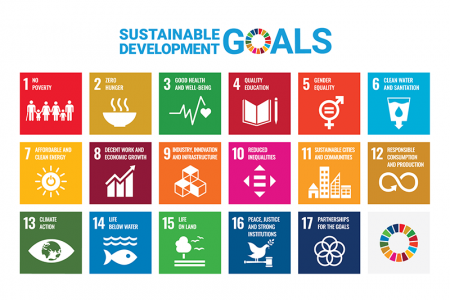
Consensus and dissensus in ‘mappings’ of science for Sustainable Development Goals (SDGs) A variety of ‘mappings’ of research on SDGs are being developed. A recent study shows that there are stark disagreements across some of these bibliometric ‘mappings’, raising concerns about their robustness. I argue here that this is due to different interpretations of the science relevant to SDGs. Ismael Rafols • August 10, 2020
From ‘fund and forget’ to formative and participatory research evaluation A trend in research evaluation is to include stakeholders as active partners in the evaluation process. In June, CWTS organized an online workshop to explore novel evaluation approaches and to identify possibilities and limitations for co-production in research evaluation. Rinze Benedictus, Laurens Hessels, Ismael Rafols and Ingeborg Meijer • July 03, 2020
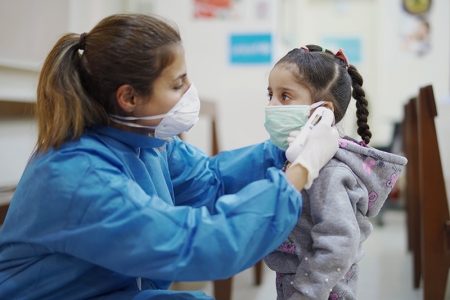
COVID-19: What do funders consider relevant research? As emergency calls for research funding are made to tackle the COVID-19, some difficult questions come to mind: What types of knowledge are relevant? What types of research should be prioritised? André Brasil, Soohong Eum, Wouter van de Klippe and Ismael Rafols • April 30, 2020
New interactive website to visualize Big Pharma’s publication landscape This blog post presents and describes a newly created interactive website on the publication activity of some of the most important pharmaceutical companies worldwide. Alfredo Yegros and Ismael Rafols • November 19, 2019
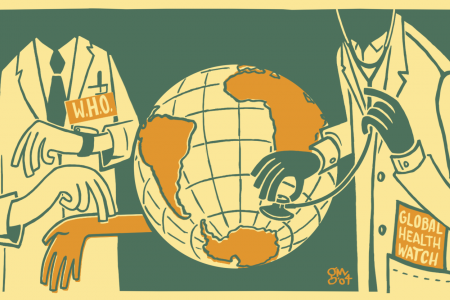
Why are global health needs unmet by research efforts? Not all diseases receive equal research attention across the globe. This phenomenon, often referred to as the 10/90 gap in health research, has a long history, rife with contention and debate on its accuracy. New research seeks to uncover various factors perpetuating these inequalities. Ismael Rafols, Alfredo Yegros, María Francisca Abad-García and Wouter van de Klippe • October 24, 2019